New Google DeepMind image model

Nano Banana 2.1 AI Image Generator

Nano Banana 2.1 is Google's newest Flash image model, built to beat earlier Nano Banana releases on visual design, subject consistency and natural-looking photography. Generate from a prompt, guide it with reference images and choose 1K, 2K or 4K output for posters, product shots, explainers and portraits.

  • Google's latest Flash image model
  • 1K, 2K and 4K output
  • Failed generations are refunded
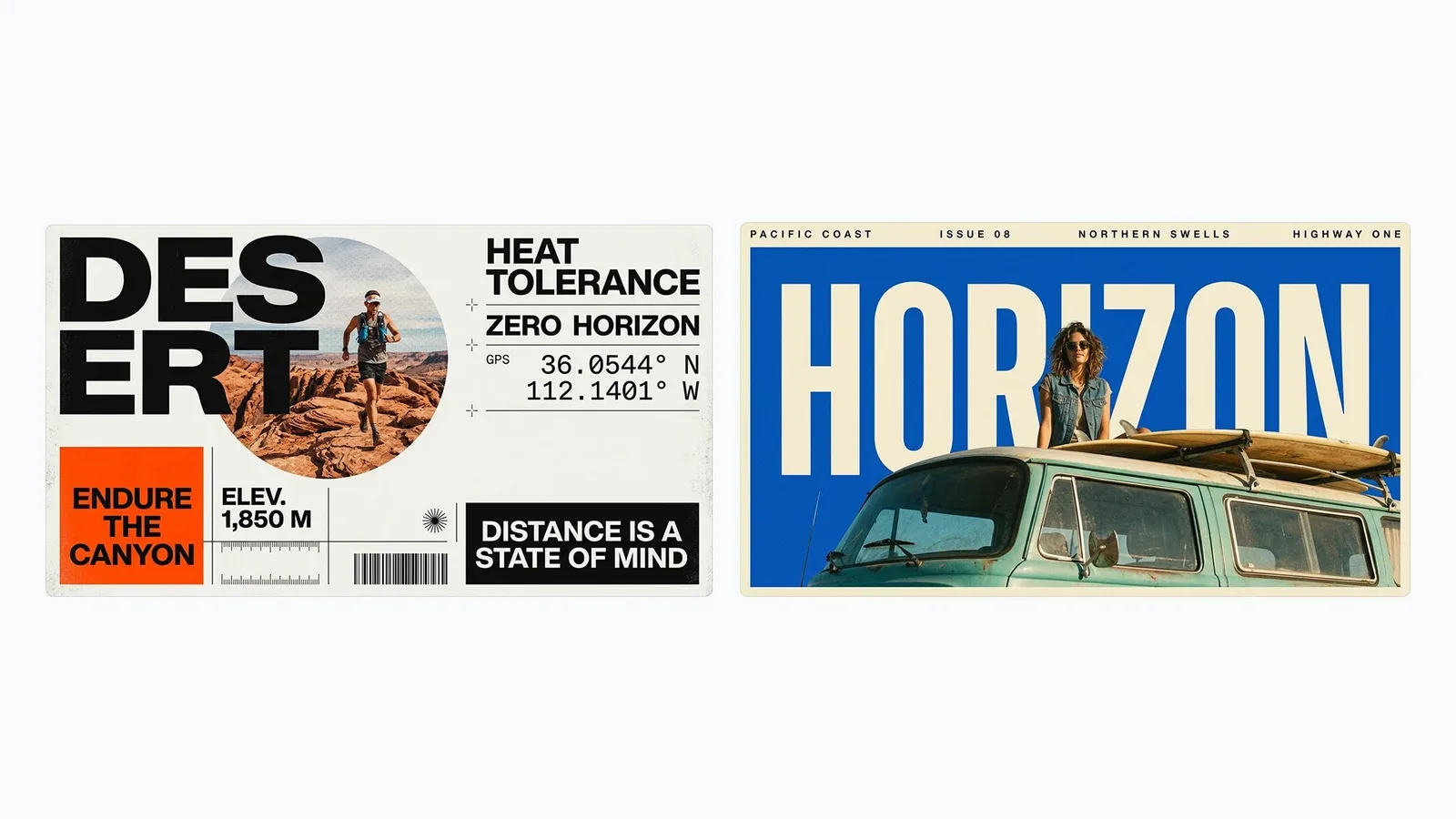
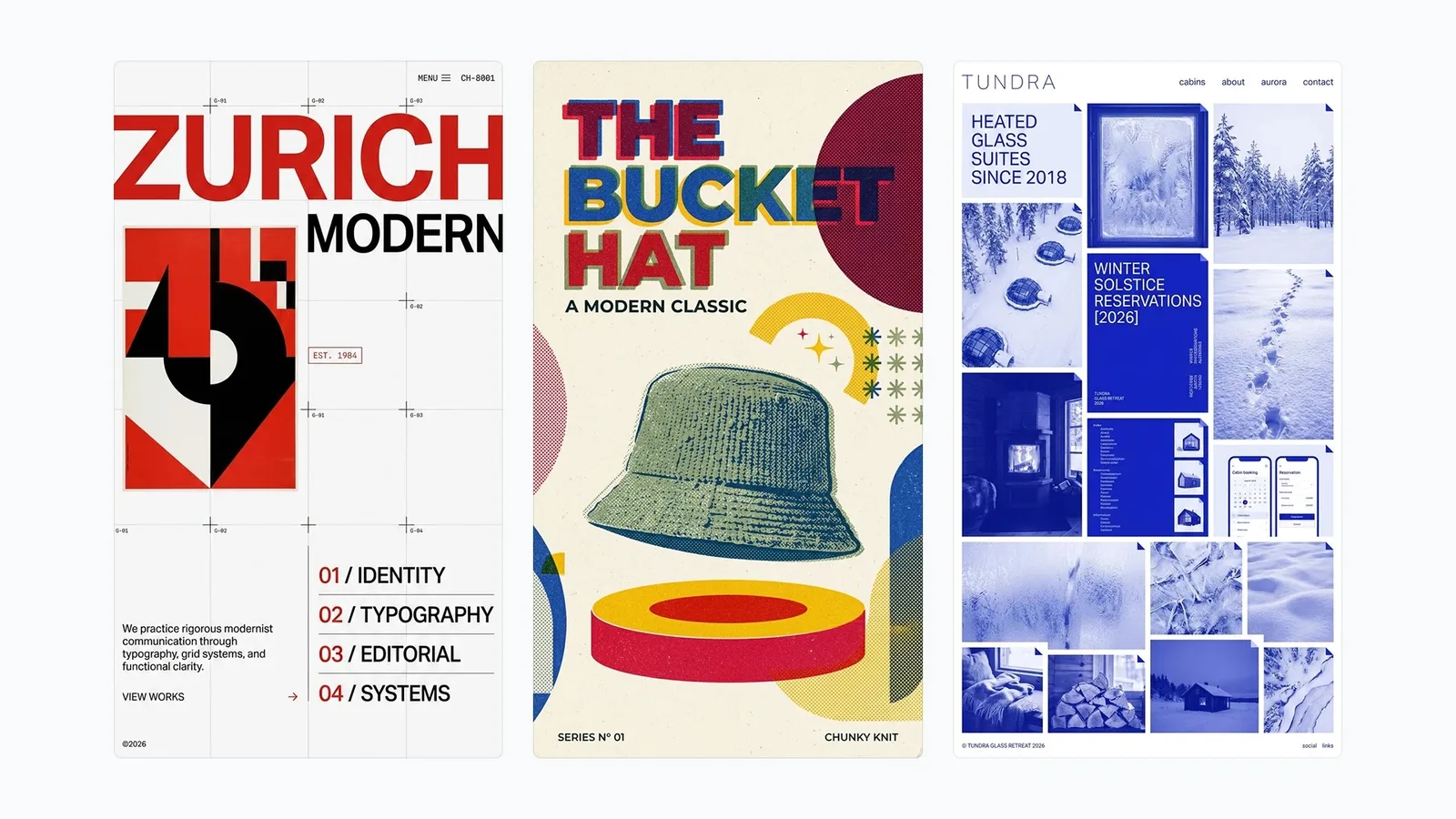
Nano Banana 2.1 example from Google DeepMind showing two bold editorial travel posters with dense typography

Generate with Nano Banana 2.1

Describe the finished image and where it will be used, then add the subject, layout, exact text, lighting and finish. Attach references only when each one has a clear job, and pick the ratio and resolution that match the destination.

Loading the generator…

Nano Banana 2.1 is preselected. The model switcher stays available so you can compare the same brief with Nano Banana Pro, GPT Image 2.5 or another image model.

What's new in Nano Banana 2.1

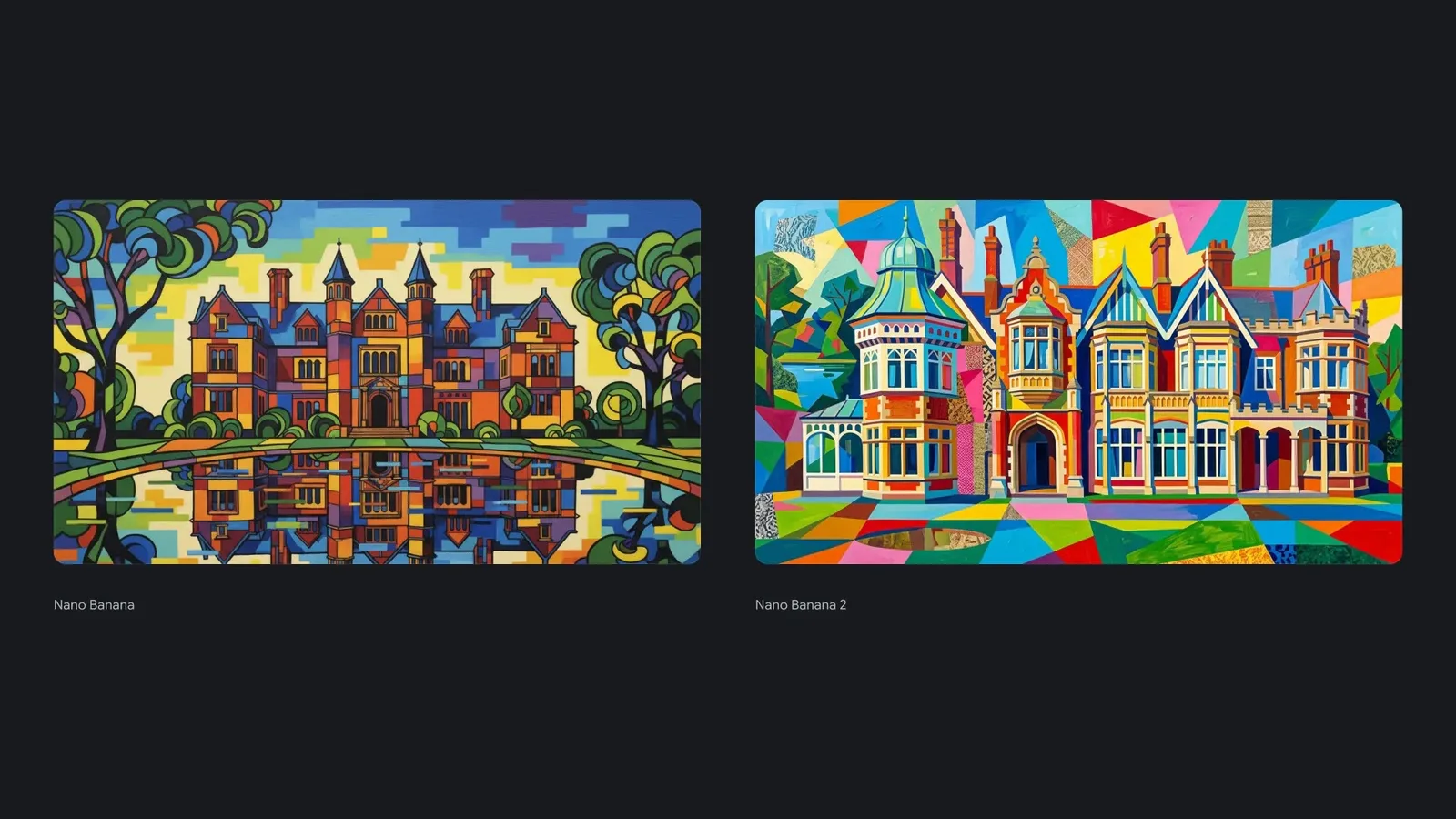
Nano Banana 2.1 is the October 2026 update to Nano Banana 2 (Gemini 3.1 Flash Image). Google positions it as outperforming every previous Nano Banana model while keeping Flash-level speed and cost.

Google DeepMind lists four headline upgrades for Nano Banana 2.1: better visual design, mask-based editing, stronger subject consistency and more natural-looking images. The developer documentation adds the detail behind those claims — higher visual quality and realism at 1K, 2K and 4K, sharper text rendering, more accurate infographic layouts and better character consistency across multi-turn editing.

Learn More

The release also fixes a practical annoyance from Nano Banana 2: tiling artifacts in very wide and very tall panoramic formats at 2K and 4K. Under the hood, Gemini Nano Banana 2.1 accepts up to 14 reference images, can keep up to four characters and ten objects consistent, supports Google Web and Image Search grounding and exposes configurable thinking levels. Google also halved the API price per 1K image compared with Nano Banana 2, which makes high-volume iteration cheaper.

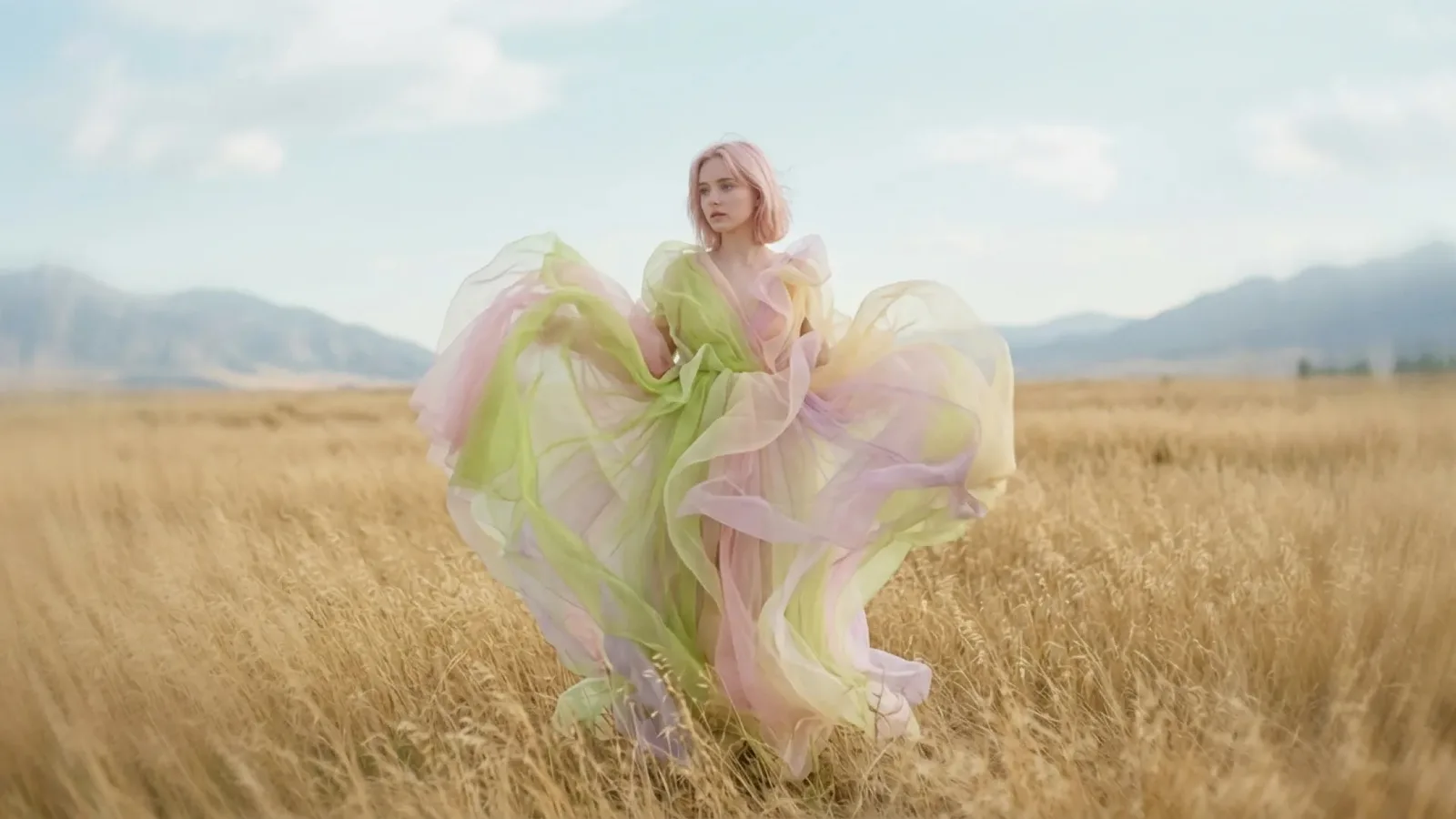
In ReelCine, Nano Banana 2.1 runs as a fast text-to-image and reference-guided generator with up to five uploads, seven common aspect ratios and 1K, 2K or 4K output. The examples on this page come from Google's own Nano Banana 2.1 model page and were picked because each one makes a specific improvement visible: dense poster typography, multi-reference fashion casting, illustrated infographics and natural portrait light.

Nano Banana 2.1 in the ReelCine generator

Nano Banana 2.1 is selected when this page opens. These are the controls currently available in the embedded generator, not every option Google offers in the Gemini API.

Input
Prompt plus up to 5 images

Start from text, or add references that define a person, product, place or visual style.

Resolution
1K, 2K or 4K

Explore at 1K, then move a working direction to 2K or 4K for production detail.

Aspect ratios
7 formats

Square, portrait, landscape and mobile-first canvases from 1:1 to 16:9 and 9:16.

Credit cost
2 or 3 credits

1K costs 2 credits; 2K and 4K both cost 3 credits per image.

Four upgrades Nano Banana 2.1 makes easy to see

Each card pairs one of Google's headline improvements with an official Nano Banana 2.1 example that shows it directly.

Official Nano Banana 2.1 example of Swiss-style editorial layouts with bold typography and strict grids

Better visual design

Nano Banana 2.1 handles grid systems, bold display type and editorial hierarchy with more discipline. The Swiss-style layouts keep tight alignment, mixed type sizes and deliberate negative space instead of collapsing into a generic poster template.

Create with Nano Banana 2.1
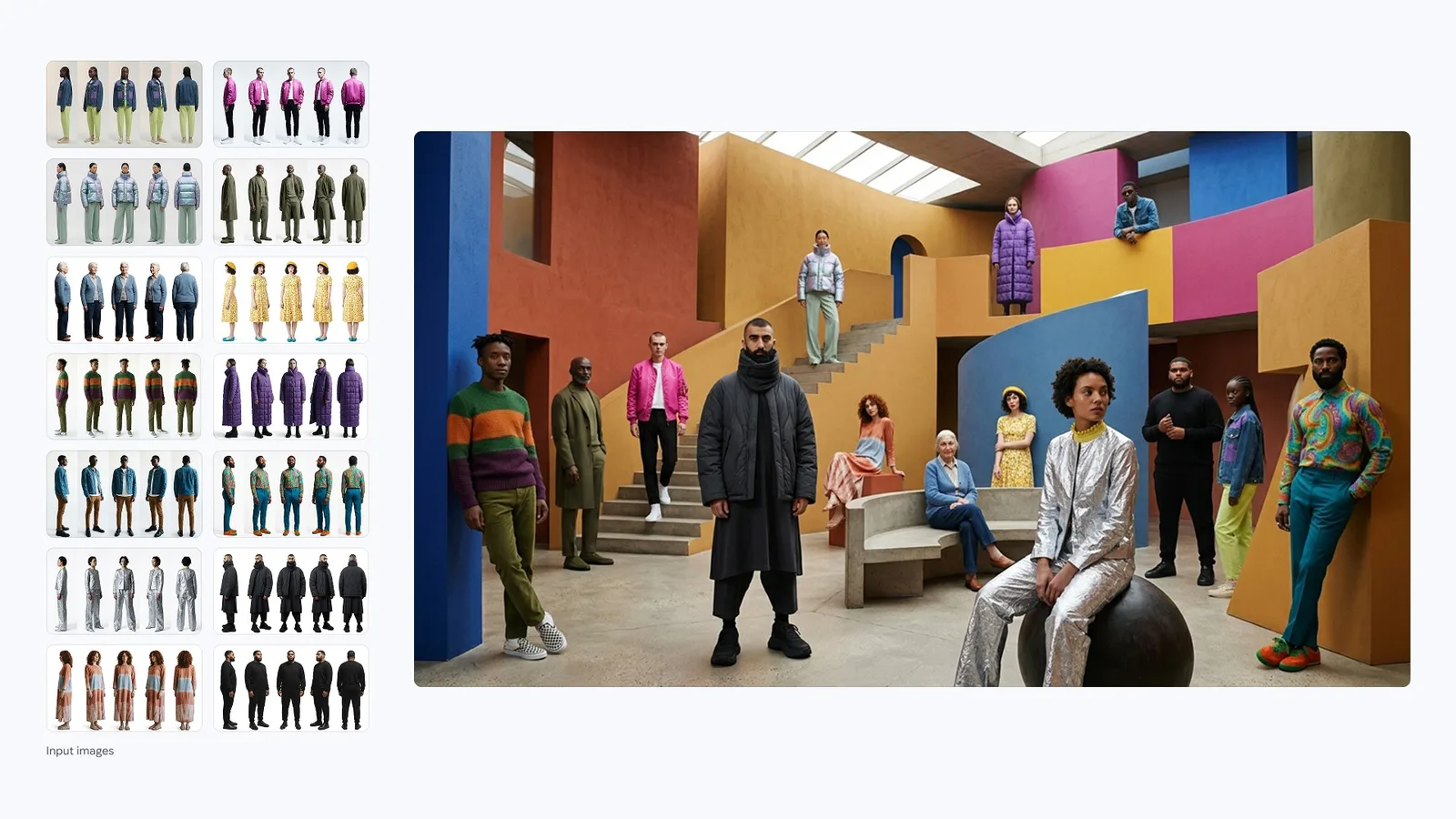
Official Nano Banana 2.1 example placing fashion models from a grid of reference outfits into one geometric set

Subject consistency from many references

Feed in a grid of outfits and the model keeps each look recognizable when the cast is staged together. Google documents up to four consistent characters and ten consistent objects in a single Nano Banana 2.1 request.

Create with Nano Banana 2.1
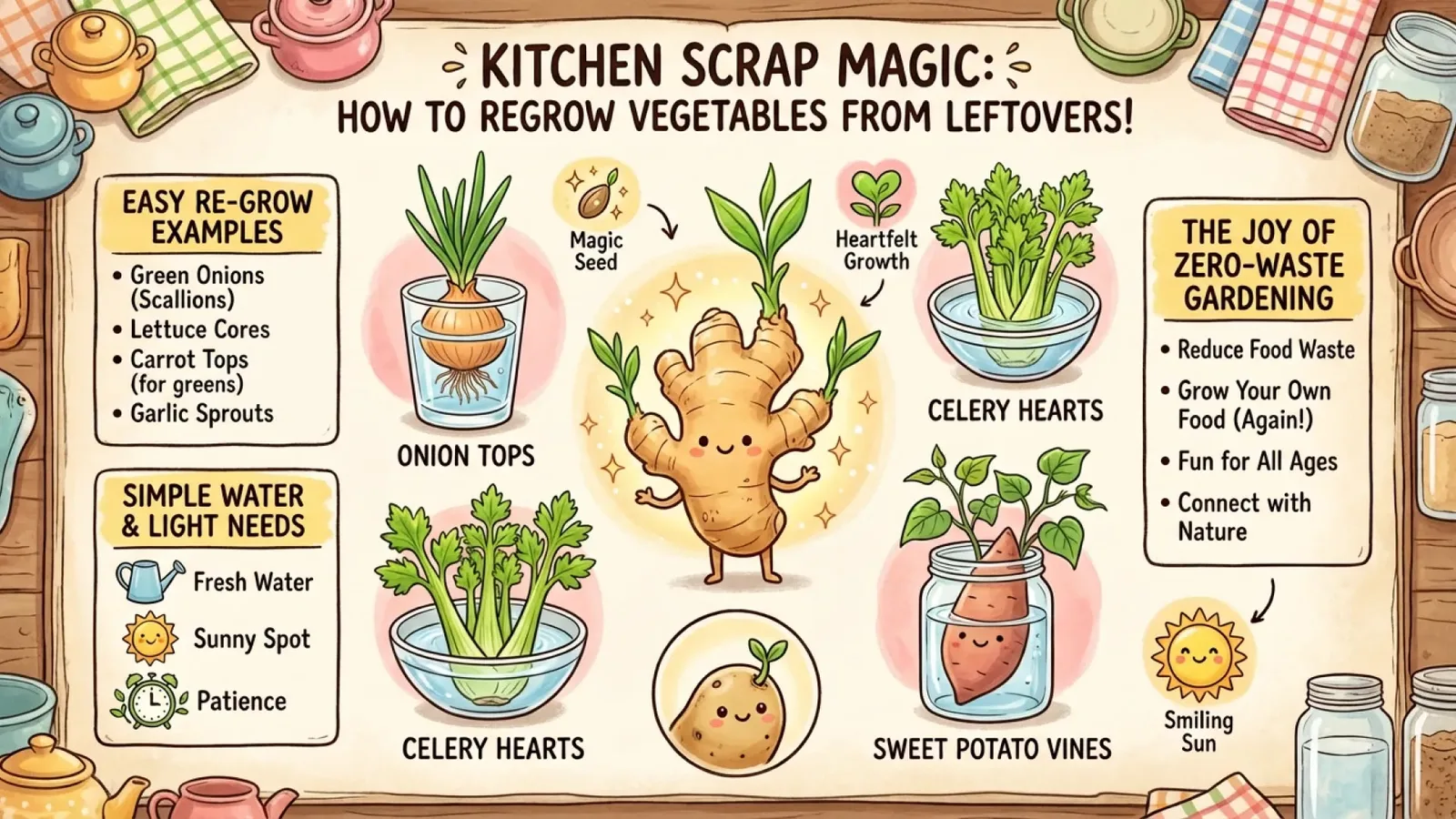
Official Nano Banana 2.1 illustrated infographic explaining how to regrow vegetables from kitchen scraps

Sharper text and infographic layouts

Labels, headings and callouts land in the right places with fewer misspellings. The illustrated regrowing guide shows the improved infographic accuracy: several titled modules, readable lists and a clear reading order.

Create with Nano Banana 2.1
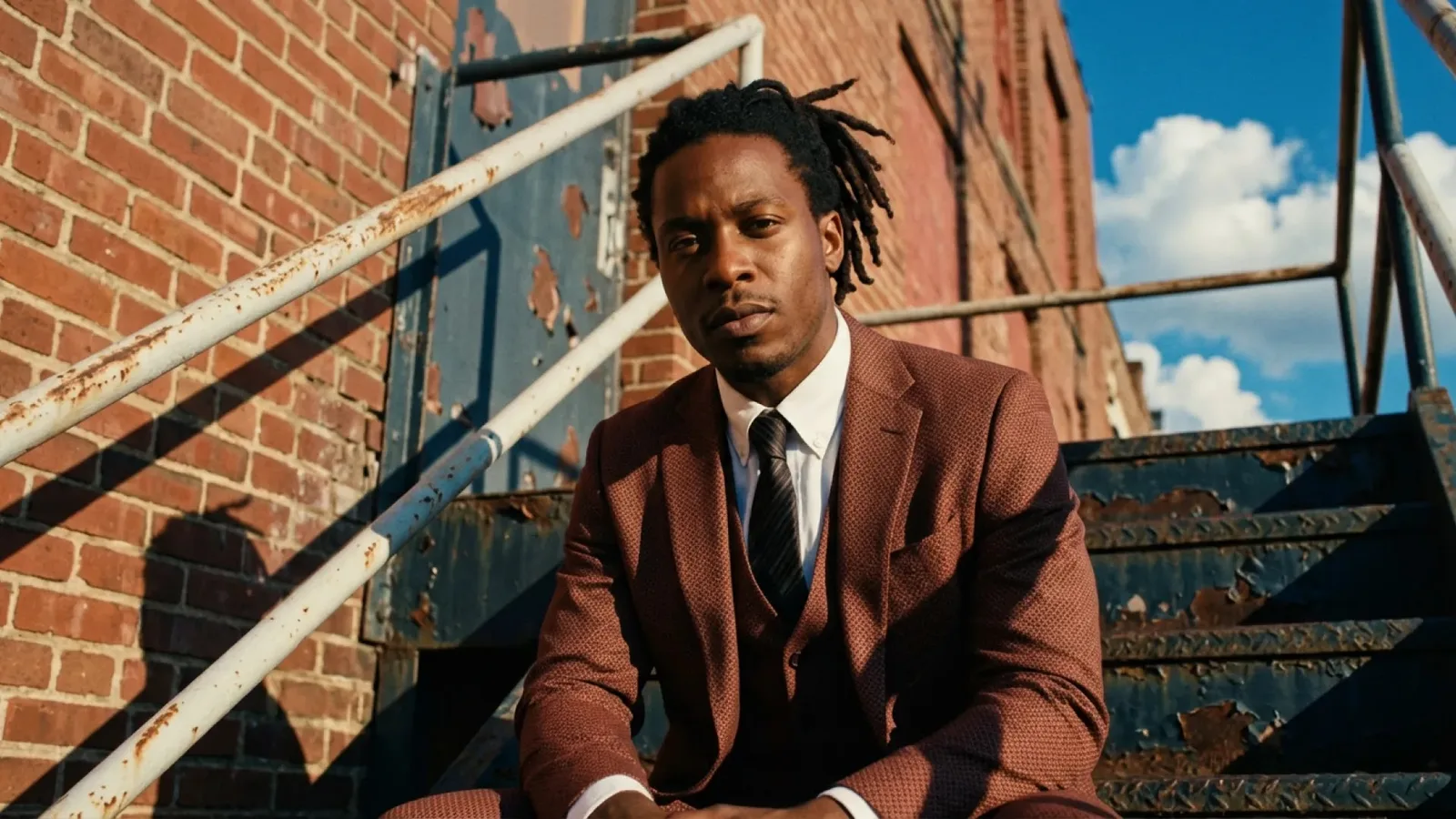
Official Nano Banana 2.1 photorealistic portrait of a man in a textured three-piece suit on industrial stairs

More natural-looking images

Skin, fabric texture and directional sunlight look less synthetic than in earlier Nano Banana output. The portrait on weathered stairs keeps believable shadows, tailoring detail and eye contact at full resolution.

Create with Nano Banana 2.1

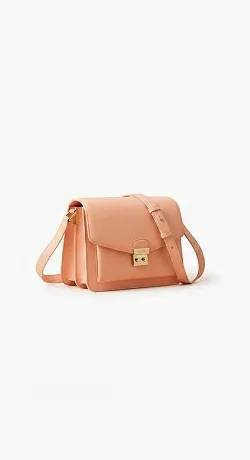
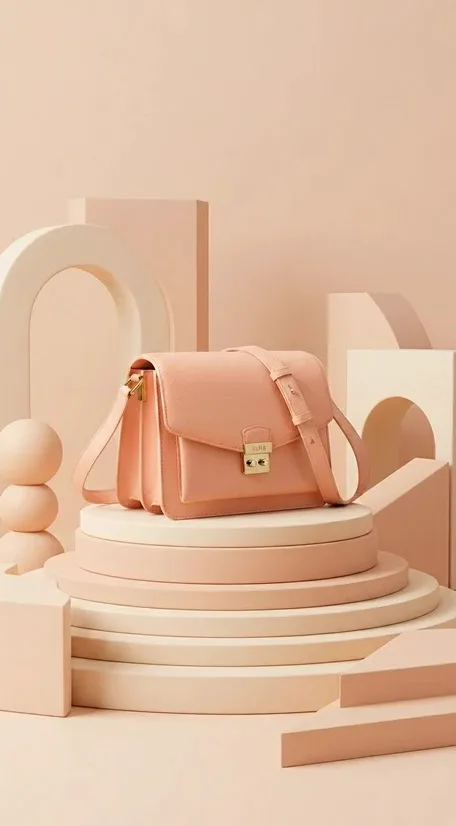
Restage a product while keeping every detail intact

Nano Banana 2.1 is built for editing as much as generation. In Google's example a plain catalog shot of a shoulder bag becomes a styled pedestal scene, while the strap, gold clasp, stitching and leather color stay true to the original product.

Plain catalog photo of a peach leather shoulder bag before a Nano Banana 2.1 edit
Catalog product photo
Nano Banana 2.1 edit placing the same peach shoulder bag on a stepped cream pedestal with geometric shapes
Styled pedestal scene

Place the uploaded peach shoulder bag on a stepped cream pedestal surrounded by soft geometric arches and spheres. Keep the bag's shape, strap, gold clasp, stitching and leather color exactly the same. Warm monochrome peach palette, soft studio light, vertical product-hero composition.

Where Nano Banana 2.1 earns a place in your workflow

Use it when you need design-grade output quickly: event graphics, explainers and printed pieces that used to need a heavier model or a manual design pass.

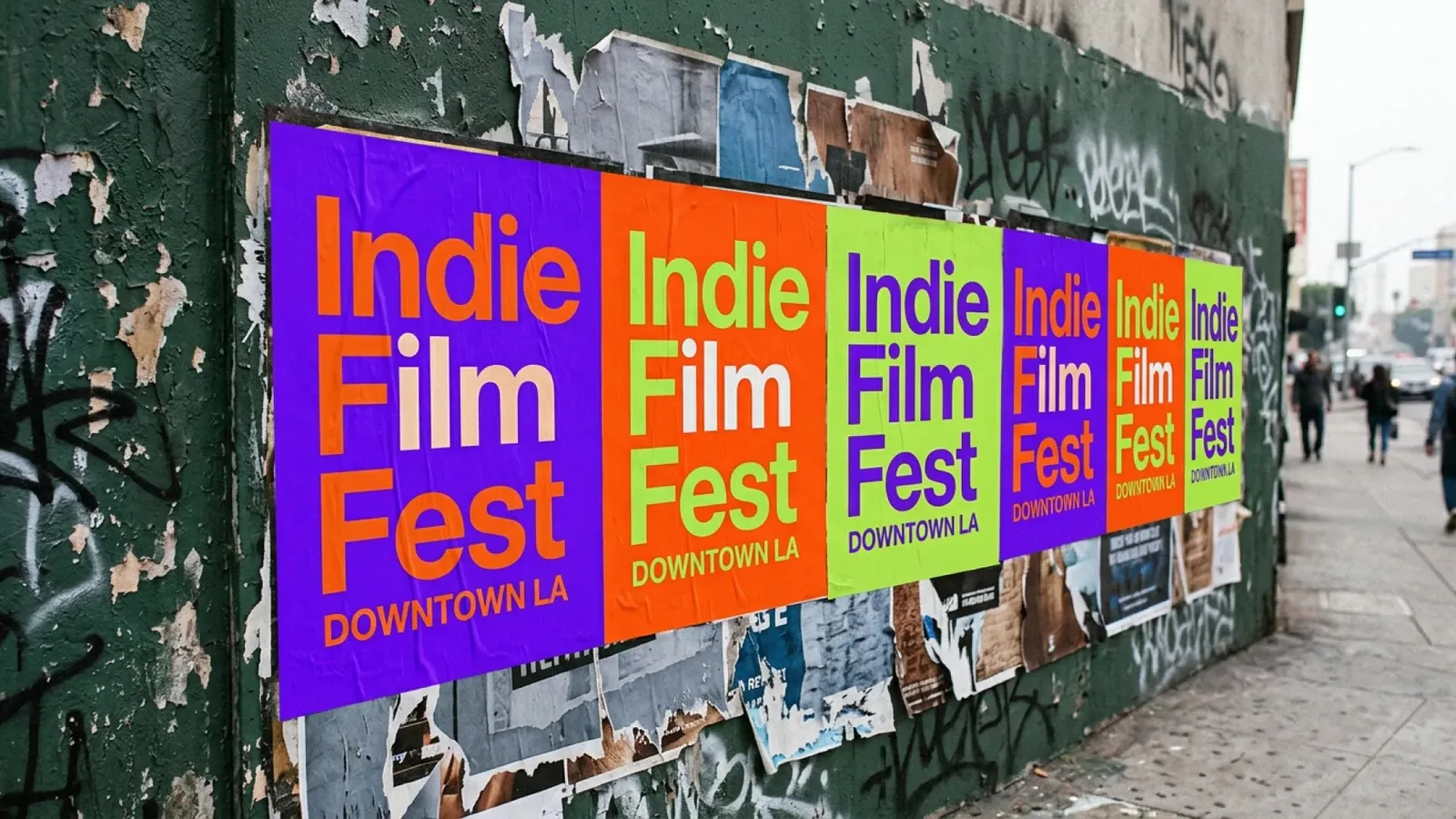
Official Nano Banana 2.1 example of repeated Indie Film Fest posters pasted on a city wall

Event posters and street campaigns

Generate repeated poster runs with consistent branding, then see them in context. Spell out the event name, dates and venue in quotation marks so every sheet carries the same copy.

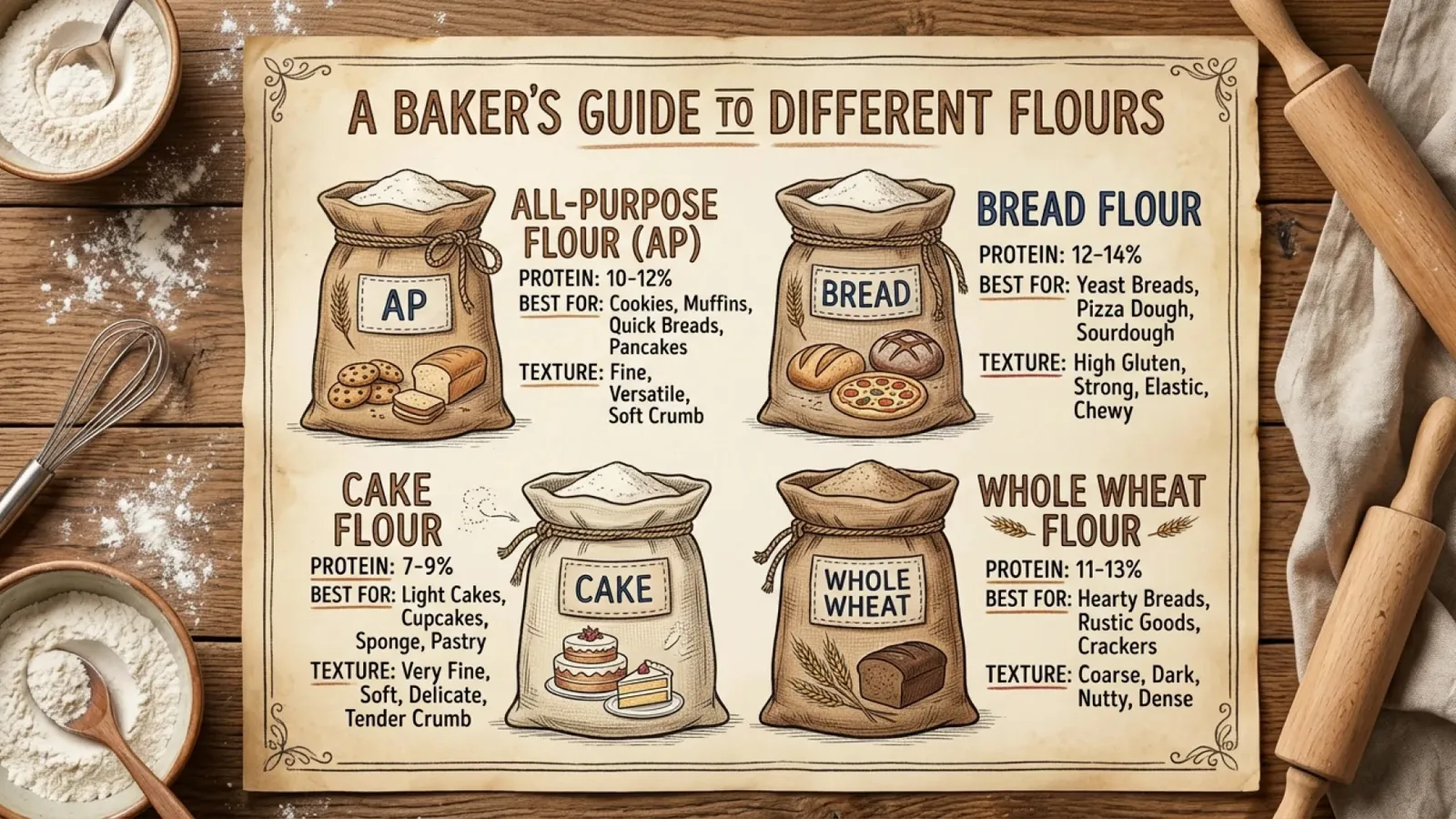
Official Nano Banana 2.1 infographic comparing different baking flours with labeled sacks

Educational guides and explainers

Turn reference material into a labeled visual guide for classrooms, blogs or social carousels. Keep each section short and proofread the facts before publishing.

Official Nano Banana 2.1 example of a Happy Birthday greeting card with bold yellow lettering

Greeting cards and printed mockups

Design cards, invitations and packaging with bold hand-lettered type and photograph them as finished physical objects for listings and previews.

Prompt Nano Banana 2.1 for design-ready results

The model follows structured briefs closely. Lead with the format and destination, then layout, exact copy, references and finish, so each revision changes only what you meant to change.

Prompt structure

Format and destination + layout or grid + main subject + reference roles + exact text in quotes + typography and palette + lighting and finish + details to preserve or avoid.

Example for an editorial poster

Vertical 9:16 mid-century travel poster for a desert road trip. Rigid three-column grid, oversized blocky headline 'DESERT' top left, small coordinates and elevation details set in a condensed sans-serif, halftone primary colors with an abstract sun shape cropped off the right edge. Risograph print texture, no periods in the headline, no extra text beyond the words given.

01

Describe the grid, not just the vibe

Nano Banana 2.1's design gains show up best when you name columns, alignment, type scale and margins. 'Swiss grid, flush-left, oversized headline' beats 'modern poster'.

02

Give every reference a job

Label which upload controls identity, outfit, product or setting, and list the traits that must survive the edit. Remove any reference that does not add evidence.

03

Quote the copy and keep it short

Put headlines and labels in quotation marks and split long explainers into a few named sections. Check spelling at full resolution and fix one block at a time.

Use Nano Banana 2.1 in three steps

Iterate cheaply at 1K, lock the composition, then render the final at the resolution your destination needs.

01

Write the brief

Name the asset type, audience and canvas, then describe subject, layout, exact text and visual finish in concrete terms.

02

Add references and pick output

Upload up to five images when you need to preserve a person, product or style, then choose the aspect ratio and 1K, 2K or 4K.

03

Review and refine

Check text, hands, faces and product details, rerun a focused variation, and upscale the winner to 2K or 4K once the direction is right.

Nano Banana 2.1 controls and credit pricing

Nano Banana 2.1 has no separate quality menu in ReelCine; resolution is the main control over detail and cost.

ControlAvailable valueWhen to use it
Resolution1K, 2K, 4KUse 1K for fast exploration and 2K or 4K for print, hero banners and detailed typography.
Aspect ratio1:1, 2:3, 3:2, 3:4, 4:3, 9:16, 16:9Pick the final canvas first so the layout, copy and negative space are composed for it.
Reference inputOptional, up to 5 imagesUse references for identity, products, locations or style, and say what each one controls.
Credits2 at 1K, 3 at 2K/4KThe total is shown before you generate, and credits are returned automatically if a job fails.

Nano Banana 2.1 versus Nano Banana 2

Nano Banana 2.1 is a direct upgrade within the same Flash tier. Here is what changed according to Google's model page and API documentation.

AreaNano Banana 2.1Nano Banana 2
Visual designStronger grids, typographic hierarchy and editorial layouts; Google's headline improvement for the release.Capable layouts, but design-heavy posters more often needed several retries.
RealismImproved visual quality and more natural-looking images at 1K, 2K and 4K.High quality at Flash speed, with a more noticeably synthetic finish on some photographic prompts.
Consistency and editingBetter multi-turn character consistency, mask-based editing and up to 14 API references.Reference-guided consistency without mask-based editing.
Text and infographicsEnhanced text rendering and more accurate infographic layouts.Good short-text rendering; dense layouts needed closer proofreading.
Panoramic formatsFixes tiling artifacts at 1:4, 4:1, 1:8 and 8:1 at 2K and 4K in the API.Could show repeated tiles in extreme wide or tall formats at high resolution.
Google API priceAbout $0.034 per 1K image on the paid tier, roughly half the previous price.Roughly twice the per-image API price of 2.1 at 1K.

What to check before you publish

Nano Banana 2.1 is a clear step up, but a generated image is still a draft until someone has reviewed it.

  • This generator currently exposes prompt and reference-image creation; Google Search grounding, thinking levels and mask selection are not available as controls here.
  • ReelCine offers seven aspect ratios and up to five references, fewer than the full Gemini API limits for Nano Banana 2.1.
  • Proofread every headline, label, translation, date and statistic before the image is used publicly.
  • Inspect faces, hands, product logos, reflections and fine text at full resolution, especially at 4K.
  • Output is a flattened raster image; rebuild final type and reusable brand elements in a design tool when you need editable files.

Nano Banana 2.1 questions

What is Nano Banana 2.1?

Nano Banana 2.1 (API model ID gemini-nano-banana-2.1) is Google's newest high-efficiency image generation and editing model, released in October 2026. It updates Nano Banana 2 with better visual design, mask-based editing, stronger subject consistency and more natural-looking images while keeping Flash-level speed.

How is Nano Banana 2.1 different from Nano Banana 2?

Google reports improved visual quality and realism at 1K, 2K and 4K, better text rendering and infographic accuracy, stronger multi-turn character consistency and a fix for tiling artifacts in extreme panoramic ratios. The API price per 1K image is also roughly half of Nano Banana 2's.

Is Nano Banana 2.1 better than Nano Banana Pro?

They serve different jobs. Nano Banana 2.1 is the faster, lower-cost Flash model and now covers most everyday design and photo work. Nano Banana Pro remains Google's premium model for the most complex scenes, the most world knowledge and advanced localization.

Can Nano Banana 2.1 edit my photos?

Yes. Upload a reference, describe the change and list what must stay the same — face, product shape, logo, colors or framing. In ReelCine you can attach up to five reference images per generation.

What resolutions does Nano Banana 2.1 support?

Nano Banana 2.1 outputs 1K, 2K and 4K images, with 1K as Google's default. In ReelCine, 1K costs 2 credits and both 2K and 4K cost 3 credits per image.

How good is Nano Banana 2.1 at text in images?

Text rendering and infographic layout accuracy are among the listed improvements. Keep wording short, put exact copy in quotation marks and still proofread every label, especially in long passages or less common languages.

How many reference images can Nano Banana 2.1 use?

The Gemini API accepts up to 14 reference images, keeping up to four characters and ten objects consistent. The ReelCine generator currently accepts up to five references per run.

Does Nano Banana 2.1 support mask-based editing?

Google lists mask-based editing as one of the 2.1 upgrades. This page's generator does not yet include a mask brush, so describe the area to change and the areas to preserve in your prompt.

Where else is Nano Banana 2.1 available?

Google released Nano Banana 2.1 in the Gemini app, Google AI Studio, Flow and the Gemini API, and it is generally available on Google Cloud. You can also use it here alongside other image models without switching tools.

Sources and example provenance

Capabilities, specifications and pricing come from Google DeepMind and the Gemini API documentation. All showcase images are official examples published on Google DeepMind's Nano Banana 2.1 model page.

Put Nano Banana 2.1 to work on your next image

Start with a 1K draft, compare a couple of focused variations, then render the strongest direction in 2K or 4K.

Create with Nano Banana 2.1